Appliance Supply Line Leak Cleanup in Hayward, CA
A washer hose or ice-maker line under full pressure can flood a kitchen or laundry room fast. The Hayward response team extracts the water and dries the cabinets, walls and subfloor it reached.
(888) 774-9605Call about the Hayward appliance leak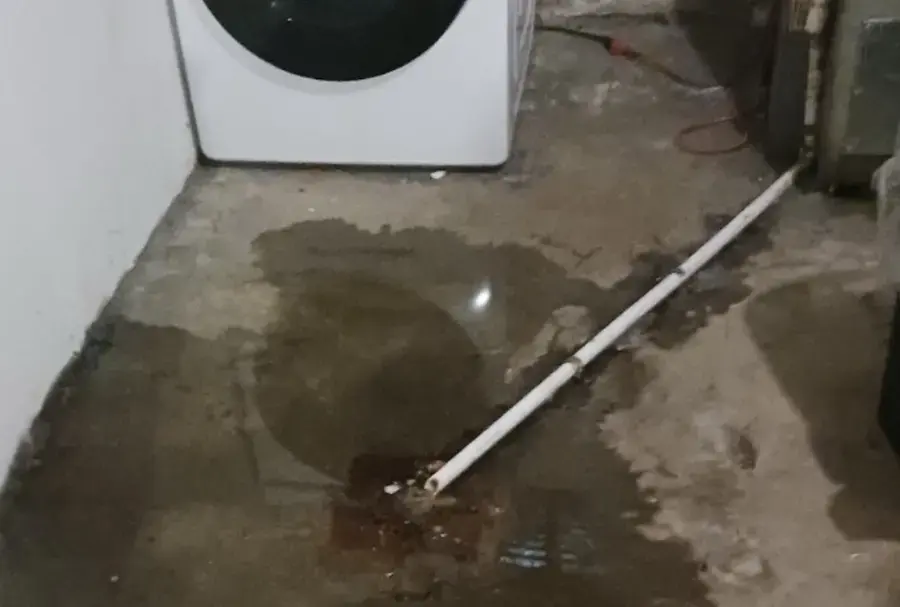
What to do the moment you find an appliance line leak
- Shut the appliance valve
Close the valve behind the washer, under the sink or behind the fridge, or the main if it will not close.
- Unplug the appliance
Unplug it if you can reach the plug without standing in water, or switch off its breaker.
- Pull out what you can
Open cabinet doors and remove items under the sink so air reaches the space.
- Photograph the failed line
Take a photo of the broken hose or fitting and the water before anything is thrown away.
Appliance supply lines sit behind and under machines where nobody looks until water shows up on the floor. Rubber washer hoses, plastic ice-maker tubing and old dishwasher connections are the usual failures in Hayward kitchens and laundry rooms, whether in a garage laundry in Schafer Park or a stacked unit in a downtown condo.
What does appliance supply line leak cleanup cost in Hayward, CA?
In Hayward, CA, appliance supply line leak cleanup typically runs $700 to $4,000, depending on how far the water spread, whether it reached cabinets and subfloor and the water category.
- Extraction
- Wall base checked
- Two to three drying days
- Toe kicks removed
- Cabinet cavity drying
- Daily logs
- Flooring lifted
- Subfloor dried
- Category 2 handling
What moves the number: which appliance failed, the water category, cabinets and flooring involved, how long the leak ran and how fast drying started.
For a closer planning range, try the water damage cost calculator. These are typical ranges, not quotes.
How an appliance line leak is handled in Hayward
IICRC S500 is the industry drying standard. It sets the order of the work, and the equipment stays until the readings say dry, not until the room looks dry.
- 01
Map the moisture first
The tech who does the walkthrough traces the source, then maps wet materials with thermal imaging and pinless meters before any equipment goes down.
- 02
Extract the standing water
The extraction crew pulls water with truck-mounted extraction, so it leaves the building instead of wicking into the next room.
- 03
Set the drying to the room
The drying team places air movers to each room's evaporation load and runs LGR dehumidifiers, with desiccants for Class 4 materials.
- 04
Verify dry, then document
Most crews log readings daily and pull equipment once wet materials sit within 2 to 4 points of a dry reference material.
Which appliance and which water
- Washer fill hoses: clean Category 1 water under full house pressure
- Washer drain hoses and overflows: gray Category 2 water with detergent and soil
- Dishwasher supply and drain lines: often under the cabinet base and flooring
- Refrigerator and ice-maker lines: small tubing that leaks slowly into cabinets and subfloor
The source decides the category, and the category decides whether soaked materials can be dried or have to come out.
Where the water hides
Kitchen water runs under cabinets and toe kicks, behind the dishwasher and under vinyl or laminate. Laundry water often reaches the wall behind the machine and the room next door. The tech who does the walkthrough checks inside base cabinets, behind appliances and under flooring edges with pinless meters.
The extraction crew pulls standing water, then the drying team removes toe kicks or drills small holes in cabinet bases so air can reach the space underneath. Air movers and LGR dehumidifiers run until the cabinets, walls and subfloor meet the drying goal.
Trade fact: a braided stainless hose and a shutoff valve that is easy to reach are the two most common upgrades after a washer or ice-maker line failure.
Saving cabinets
Particleboard cabinet bases swell and delaminate when they stay wet, while solid wood and plywood often dry well. Drying early is what gives cabinets a chance, which is why the toe kicks come off first.
For leak checks around the house, see the EPA WaterSense leak page, and for moisture and mold, the EPA mold page. Related: burst pipe cleanup.
Appliance Supply Line Leak Cleanup coverage across Hayward
The restoration team handles an appliance line leak in every Hayward ZIP and the neighboring East Bay communities.
The Hayward restoration crew handles an appliance line leak across Downtown, Burbank, Mount Eden, Tennyson, Schafer Park and the Hayward Highlands, plus Castro Valley, San Lorenzo and San Leandro.
ZIP codes 94540, 94541, 94542, 94543, 94544, 94545 and 94557 are all covered.
See every neighborhood and ZIP coveredAppliance Supply Line Leak Cleanup questions in Hayward, CA
Can kitchen cabinets be saved?
Often, if drying starts early. Solid wood and plywood dry well, while swollen particleboard bases may need replacement.
Is washer water clean?
Water from the fill hose is clean. Water from a drain hose or an overflow is gray water and is handled as Category 2.
Why do toe kicks come off?
The space under the cabinets holds water. Removing the toe kick lets air reach it so the cabinet base and subfloor can dry.
How long does drying take?
Usually two to four days for a laundry room and three to five for a kitchen with wet cabinets.
How can I prevent another leak?
Braided stainless hoses, reachable shutoff valves and inexpensive leak sensors behind machines are common upgrades.
Is an appliance leak covered?
Sudden failures are often reviewed differently from slow leaks. Coverage depends on your policy, so it is worth checking with your own insurer.
Appliance Supply Line Leak Cleanup in Hayward? Call before it spreads.
The longer water sits, the further it wicks into drywall, subfloor and framing. The Hayward water damage pros answer day or night.