Storm Flood Cleanup in Hayward, CA
When a winter storm pushes runoff and floodwater indoors, the water is Category 3 from the start. The Hayward restoration team removes mud and wet materials, disinfects and dries the structure.
(888) 774-9605Call about Hayward storm flooding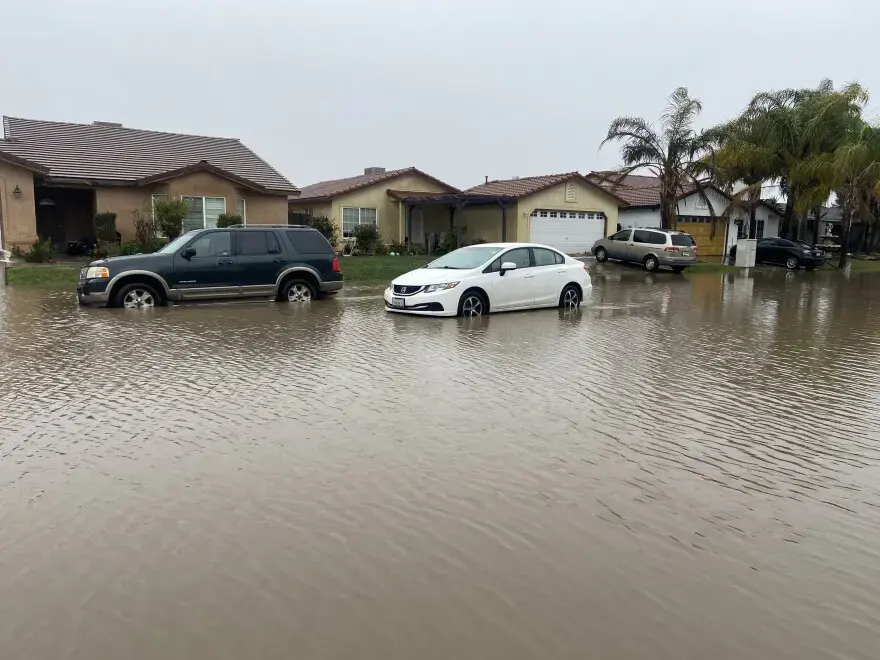
What to do the moment you find storm flooding
- Put safety first
Stay out of floodwater, especially near outlets and appliances, and never drive through a flooded street.
- Shut off power if safe
If water is rising toward outlets and the panel is dry and reachable, switch off the main breaker.
- Photograph everything
Record the water line on walls, the contents and the outside conditions before cleanup starts.
- Keep contact with floodwater short
Wear boots and gloves if you must enter, and wash thoroughly afterward.
Hayward gets most of its rain from December through February, often in atmospheric river storms that drop days of heavy rain on the East Bay hills. That water heads downhill through San Lorenzo Creek, Ward Creek, Sulphur Creek and the county flood-control channels toward the bay, and in a big storm some of it reaches homes and businesses along the way.
What does storm flood cleanup cost in Hayward, CA?
In Hayward, CA, storm flood cleanup typically runs $3,000 to $12,000 or more, depending on the depth of water, how much mud came in and how much drywall, flooring and insulation must be removed.
- Mud and water removed
- Wet drywall cut out
- Antimicrobial applied
- Flooring and pad removed
- Containment set
- LGR drying and logs
- Heavy silt removal
- HEPA air scrubbing
- Extended structural drying
What moves the number: water depth, mud and silt, square footage, the materials removed under Category 3 rules and how long the structure takes to dry.
For a closer planning range, try the water damage cost calculator. These are typical ranges, not quotes.
How storm flooding is handled in Hayward
IICRC S500 is the industry drying standard. It sets the order of the work, and the equipment stays until the readings say dry, not until the room looks dry.
- 01
Map the moisture first
The tech who does the walkthrough traces the source, then maps wet materials with thermal imaging and pinless meters before any equipment goes down.
- 02
Extract the standing water
The extraction crew pulls water with truck-mounted extraction, so it leaves the building instead of wicking into the next room.
- 03
Set the drying to the room
The drying team places air movers to each room's evaporation load and runs LGR dehumidifiers, with desiccants for Class 4 materials.
- 04
Verify dry, then document
Most crews log readings daily and pull equipment once wet materials sit within 2 to 4 points of a dry reference material.
Where storm water gets in
- Hillside lots in the Hayward Highlands and Mission-Foothills that catch runoff from the slope above
- Low streets in the flatlands where storm drains back up in heavy rain
- West Hayward near the shoreline, where groundwater sits close to the surface
- Garages and lower floors below street level
Why floodwater is handled as Category 3
Water that flowed across streets, yards and soil carries sediment, bacteria and whatever it picked up along the way. IICRC S500 treats it as Category 3, the same as sewage. Porous materials it touched, such as carpet, pad, drywall and insulation, are removed rather than dried.
The response team sets containment where needed, wears protective gear, pumps and extracts the water, shovels out mud and silt, and removes wet drywall above the water line. An EPA-registered antimicrobial goes on the exposed framing at its labeled dwell time before any drying starts.
Drying after a storm
After a storm the outdoor air is saturated, so opening the house does little. The drying team closes the space and runs LGR dehumidifiers and air movers, with HEPA air scrubbers where dust and contamination are a concern. Daily readings on studs, sill plates and subfloor show when the structure reaches the drying goal.
Trade fact: rising surface water from outside is usually a flood insurance question, not a standard homeowners claim. Photos taken before any removal, plus the moisture map, make either kind of claim easier to review.
For flood insurance basics, see FloodSmart from FEMA, and for what an atmospheric river is, see NOAA on atmospheric rivers. For water under the house, see crawl space flooding cleanup.
Storm Flood Cleanup coverage across Hayward
The restoration team handles storm flooding in every Hayward ZIP and the neighboring East Bay communities.
The Hayward restoration crew handles storm flooding across Downtown, Burbank, Mount Eden, Tennyson, Schafer Park and the Hayward Highlands, plus Castro Valley, San Lorenzo and San Leandro.
ZIP codes 94540, 94541, 94542, 94543, 94544, 94545 and 94557 are all covered.
See every neighborhood and ZIP coveredStorm Flood Cleanup questions in Hayward, CA
Is storm floodwater dangerous?
It is treated as Category 3 because it can carry bacteria, chemicals and debris. Keep contact short, wear boots and gloves, and keep children and pets away.
Can carpet be saved after a storm flood?
No. Carpet and pad touched by floodwater are Category 3 and are removed. Hard surfaces and framing are cleaned, disinfected and dried.
How high does drywall get cut?
Usually a foot or more above the water line, following the moisture readings, so the wet part of the wall and the insulation behind it come out.
Does homeowners insurance cover storm flooding?
Rising surface water usually falls under flood insurance, while wind-driven rain through a damaged roof may be treated differently. Coverage depends on your policy, so check with your own insurer.
How long does drying take after a storm?
Often five to ten days, because the outdoor air stays damp in a storm season. Equipment stays until readings say dry.
Why does the mud have to come out first?
Mud holds water and contamination against the floor and walls. It is removed before antimicrobial and drying, or the structure cannot reach the drying goal.
Storm Flood Cleanup in Hayward? Call before it spreads.
The longer water sits, the further it wicks into drywall, subfloor and framing. The Hayward water damage pros answer day or night.