Ceiling Leak Water Damage in Hayward, CA
Water from an upstairs bath, supply line or condo above soaks drywall and can reach light fixtures fast. The Hayward mitigation team traces the source, opens only what it must and dries the ceiling cavity.
(888) 774-9605Call about the Hayward ceiling leak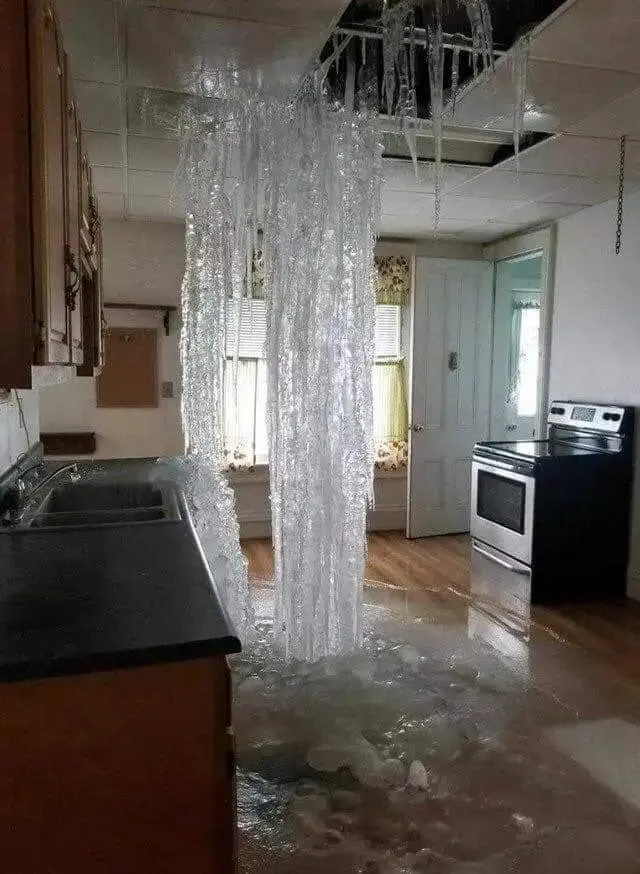
What to do the moment you find a ceiling leak
- Stop the water above
Shut the fixture valve or the main, and ask upstairs neighbors to stop using their water if you share a building.
- Turn off ceiling fixtures
Switch off the breaker for lights and fans in the wet ceiling, if the panel area is dry.
- Keep clear of a sag
Stay out from under a bulging ceiling and put a bucket under any drip.
- Photograph and note the source
Take photos of the ceiling and the fixture above, and note when the leak started.
A ceiling leak starts somewhere above: a shower pan, a toilet seal, a supply line to a second-floor bath or laundry, or the unit upstairs in a condo or apartment building. Two-story homes in the Hayward hills and multi-unit buildings near downtown and along Mission Boulevard see these most.
What does ceiling leak water damage cost in Hayward, CA?
In Hayward, CA, ceiling leak water damage typically runs $800 to $4,500, depending on how much ceiling drywall and insulation got wet, whether walls below are affected and the water category.
- Leak traced
- Ceiling dried in place
- Two to four drying days
- Controlled ceiling removal
- Wet insulation out
- LGR drying and logs
- Walls and flooring affected
- Category 2 handling
- Full structural drying
What moves the number: the water category, square feet of wet ceiling, insulation removal, walls and floors below, and how quickly the leak was stopped.
For a closer planning range, try the water damage cost calculator. These are typical ranges, not quotes.
How a ceiling leak is handled in Hayward
IICRC S500 is the industry drying standard. It sets the order of the work, and the equipment stays until the readings say dry, not until the room looks dry.
- 01
Map the moisture first
The tech who does the walkthrough traces the source, then maps wet materials with thermal imaging and pinless meters before any equipment goes down.
- 02
Extract the standing water
The extraction crew pulls water with truck-mounted extraction, so it leaves the building instead of wicking into the next room.
- 03
Set the drying to the room
The drying team places air movers to each room's evaporation load and runs LGR dehumidifiers, with desiccants for Class 4 materials.
- 04
Verify dry, then document
Most crews log readings daily and pull equipment once wet materials sit within 2 to 4 points of a dry reference material.
Ceiling leak or roof leak?
They look alike from below but start in different places. A ceiling leak under a bathroom or laundry usually comes from plumbing and can happen on a dry day. A roof leak shows up during or after rain and starts in the attic. The tech who does the walkthrough uses thermal imaging and pinless meters to trace which it is, because the fix and the drying plan differ.
Why ceilings need fast attention
- Drywall holding water gets heavy and can sag or drop
- Water can run along wiring into light fixtures and fans
- Insulation above the ceiling holds water and slows drying
- Water inside the cavity spreads sideways before it drips
When the ceiling is bulging, the mitigation team drains it in a controlled way and removes the saturated section. Firm drywall with light wetting can often be dried in place with air movers and dehumidifiers aimed at the cavity.
Drying the cavity, not just the stain
The drying team opens a small section or drills vent holes so air can reach the joist bay, removes wet insulation and sets air movers and LGR dehumidifiers. Readings are taken on the drywall and the joists daily, and equipment comes out only when the materials reach the drying goal.
Trade fact: a toilet overflow from above is Category 2 or 3 depending on what was in the bowl, which changes what drywall is removed. Clean supply-line water is Category 1.
For electrical safety around water, see Ready.gov flood safety, and for mold prevention after a leak, the EPA mold page. Related: toilet overflow cleanup and roof leak water damage.
Ceiling Leak Water Damage coverage across Hayward
The restoration team handles a ceiling leak in every Hayward ZIP and the neighboring East Bay communities.
The Hayward restoration crew handles a ceiling leak across Downtown, Burbank, Mount Eden, Tennyson, Schafer Park and the Hayward Highlands, plus Castro Valley, San Lorenzo and San Leandro.
ZIP codes 94540, 94541, 94542, 94543, 94544, 94545 and 94557 are all covered.
See every neighborhood and ZIP coveredCeiling Leak Water Damage questions in Hayward, CA
Is a small ceiling stain urgent?
It can be. A small stain often means more water in the cavity above. Tracing it early keeps the repair small.
Will the whole ceiling come down?
Rarely. Only saturated or sagging sections are removed. Firm drywall with light wetting is usually dried in place.
Who pays when the leak came from the unit upstairs?
It depends on the policies and the building's rules. The claim file with photos and readings helps both sides sort it out, so check with your own insurer.
Can lights stay on?
No. Turn off power to lights and fans in a wet ceiling until an electrician or the crew confirms it is safe.
How long does a ceiling take to dry?
Usually three to five days once the leak is stopped and the wet insulation is removed.
Why remove the insulation?
Wet insulation holds water against the drywall and joists. Removing it lets the cavity dry to the goal.
Ceiling Leak Water Damage in Hayward? Call before it spreads.
The longer water sits, the further it wicks into drywall, subfloor and framing. The Hayward water damage pros answer day or night.